


Benjamin Franklin once said, “In this world, nothing is certain except death and taxes.” Five years from when we first published this piece, the federal estate tax picture is more generous for families with the passage of the One Big Beautiful Bill Act (OBBBA) outlining tax changes for the next few years and some potentially longer.
On July 4, 2025, the One Big Beautiful Bill Act (OBBBA) was signed into law, permanently setting the federal estate, gift, and generation-skipping transfer (GST) tax exemption at $15 million per individual ($30 million per married couple) beginning January 1, 2026, indexed for inflation. Additionally, the top estate transfer rate stays at 40% and the step-up in basis at death remains intact.
For many of the families we serve, that single change reshapes the estate planning conversation. The pre-OBBBA urgency to “use it or lose it” for gifting before the Tax Cuts and Jobs Act sunset potentially cut the exemption in half, is now gone. With the federal estate tax off the table for many, where does estate planning create the most value now?
The answer, increasingly, is income tax planning. Specifically, weighing the lifetime gift versus the step-up in basis at death, coordinating charitable strategies under new deduction rules, and using vehicles like 529 plans and trusts in ways that prioritize basis, control, and flexibility rather than pure exemption use. Below we revisit our original five strategies through that lens, with updated numbers and a few new elements worth knowing about.
2026 Quick Reference:
- Federal estate, gift and GST exemption: $15 million per individual / $30 million per married couple (permanent, inflation-indexed)
- Annual gift tax exclusion: $19,000 per recipient ($38,000 per married couple using gift splitting)
- Top federal estate, gift, and GST tax rate: 40%
- Step-up in basis at death: Preserved
- 529 superfunding (5-year election): up to $95,000 per individual / $190,000 per married couple
- New 0.5% AGI floor on itemized charitable deductions: Effective for tax years beginning after 12/31/2025
1) Annual Gifting, 529s and Forward Gifting
The What
Annual exclusion gifting remains one of the best estate planning tools available. For 2026, you can give up to $19,000 per recipient ($38,000 if married and gift-splitting) to as many people as you want without filing a gift tax return and without using any of your $15M lifetime exemption. The mechanics are unchanged from the original article, only the dollar amounts have changed.
What has changed is the framing. With the federal exemption now permanently at $15M per person, fewer families will exceed the limit, so annual gifting matters less as an estate-tax-reduction tool and more as a wealth transfer, education funding, and family engagement tool. For families safely under the federal threshold, the planning question flips from getting assets out of the estate, to keeping highly appreciated assets in the estate so heirs receive a step-up in basis at death.
On the flip side, for families with heirs in materially lower income tax brackets (0% or 15% long term capital gains bracket versus the donor’s 20% bracket), gifting highly appreciated assets during life, rather than holding them for a step-up can sometimes produce a better after-tax result when the heir sells. This is a strategy worth running by your CPA and advisor before acting.
The How
For families wanting to help with education, the 529 forward-gifting (“superfunding”) election remains powerful. In 2026, an individual can make a single lump-sum contribution of up to $95,000 per beneficiary ($190,000 for a married couple gift-splitting) and elect 5-year averaging on their tax form 709. Assuming no other gifts to that beneficiary during the 5-year period, this uses no lifetime exemption.
Two newer features worth noting:
- 529-to-Roth IRA rollover (SECURE 2.0)
- Beginning in 2024, beneficiaries of 529 accounts that have been open for at least 15 years can roll over up to $35,000 (lifetime limit) of unused 529 funds into a Roth IRA in the beneficiary’s name (subject to annual Roth contribution limits and earned income requirements). This reduces the historical “what if my child doesn’t use it” objection to aggressive 529 funding. Alternatively, the beneficiary can be changed to someone else who is still in school.
- Expanded K-12 use
- Beginning in 2026, 529 distributions can cover up to $20,000 per year per beneficiary for K-12 tuition at public, private, or religious schools, increased from the prior $10,000 limit.
For more information on superfunding mechanics, Fidelity’s 529 contribution limits for 2026 guide and Saving For College 10 Rules for Superfunding a 529 Plan in 2026 walks through the math and Form 709 requirements.
2) Intra Family Loans
The What
Intra-Family loans are agreements between family members to access capital with benefits that may not be available in an institutional relationship. Benefits primarily surround potentially lower interest rates than prevailing market rates, flexible repayment options, and potential to shift wealth between family members over time. This could be an attractive option for borrowers who may not qualify for loans on their own, skip tedious applications, and quickly finance a project or purchase. Interest rates on the loan must be set at or above the AFR (applicable federal rate) via the IRS website, which is updated monthly.
The key change since 2021 is the interest rate environment. AFRs are no longer at historic lows. They have moved meaningfully higher across short, medium, and long-term tiers. That doesn’t negate the strategy, but it does change the math. The spread between an intra-family loan rate and a comparable commercial loan rate is narrower than it was, and the relative attractiveness depends on what the borrower’s alternative looks like (mortgage, business loan, or credit line).
The How
A family member, usually a parent or grandparent, enters into an agreement with a future beneficiary or other family member to fund a purchase or project. A written contract must be drawn up between the parties to prove the legitimacy of a loan rather than a gift. These must include both parties – lender and borrower, loan amount, interest rate, repayment schedule, maturity date and signatures.
While the lender transfers assets to another individual, the outstanding balance of the loan is still included in their estate and they must include interest received as income each year. Additionally, the lender may utilize the annual gift exclusion to forgive re-payment each year without filing a gift tax return. However, some attorneys recommend separating the annual gift exclusion instead of offering loan forgiveness to avoid scrutiny on the true intent of the loan. Please check with your advisor or legal professional to ensure that the signed promissory note meets the IRS requirements for an intra-family loan.
Please reference the following link for additional information and examples on intra-family loans that may help your loved ones:
https://www.fidelity.com/learning-center/wealth-management-insights/consider-intrafamily-loans
3) Transferring Asset to Trusts
The What
A revocable (living) trust continues to be a foundational estate planning tool for families seeking to avoid probate, maintain privacy, provide continuity during incapacity, and outline how assets should be managed and distributed at death. Because the trust remains revocable during the grantor’s lifetime, the assets are generally still considered part of the grantor’s taxable estate and the grantor continues to pay income taxes on trust assets.
In today’s environment, revocable trusts are also commonly designed with built-in flexibility to adapt to future estate tax law changes. Many trusts now incorporate provisions such as disclaimer planning, trust protectors, and flexible distribution standards to help families respond to changing tax exemptions and family circumstances over time.
The How
A revocable trust is established by a grantor who transfers ownership of assets — such as investment accounts, real estate, business interests, or bank accounts — into the name of the trust while typically continuing to serve as trustee during his or her lifetime. Upon incapacity or death, a successor trustee named within the trust document can step in to manage or distribute assets according to the trust instructions without the delays and public process often associated with probate administration.
While many clients have an active revocable trust, their next generation beneficiaries may not. It’s important that as the next generation’s assets or families begin to grow that they start to review their estate plans and a revocable trust is often a key instrument in combination with a will, powers of attorney and healthcare directives. Please see our previous blog post for more information.
4) Irrevocable Trusts
The What
An irrevocable trust is commonly used to remove assets and future appreciation from a grantor’s taxable estate while also providing control over how and when beneficiaries receive assets. The grantor creates the trust and designates another individual or corporation as an independent trustee. Unlike a revocable trust, an irrevocable trust generally cannot be modified or terminated without specific provisions, court approval, or beneficiary consent once it has been established and funded. These vehicles are usually appropriate for high-net-worth families that don’t need the assets during their lifetime and do not plan to change the beneficiary designation(s) of the trust. Another benefit is that these complex trusts also provide creditor protection for the grantor and beneficiaries. However, by removing these assets from the estate, they do not receive a step up in cost basis at the passing of the grantor such as the way Revocable trusts do.’
The How
The planning process typically begins with an estate planning attorney working alongside the client’s CPA and financial advisor to evaluate projected estate growth, liquidity needs, cash flow requirements, and long-term family objectives. The attorney then drafts the trust structure based on the desired level of control, access, and multigenerational planning flexibility. Once the trust is established, assets may be gifted or sold into the trust utilizing annual exclusion gifting, lifetime exemption amounts, valuation discounts, or installment sale techniques depending on the strategy being implemented.
There are several types of irrevocable trusts commonly used for advanced estate planning purposes. Spousal Lifetime Access Trusts (SLATs) allow one spouse to make completed gifts for the benefit of the other spouse and future beneficiaries, while still preserving indirect access to trust assets during the beneficiary spouse’s lifetime. Dynasty trusts are designed to hold and protect family wealth for multiple generations while minimizing future estate taxation at each generational level. Irrevocable Life Insurance Trusts (ILITs) are a tool to either remove a life insurance policy and death benefit from the estate or purchase insurance policy on behalf of the family to provide liquidity for the estate. Note that if an existing policy is transferred to an ILIT, there is a 3-year lookback period, meaning if the policy owner dies within 3 years of the transfer the death benefit is brought back into the estate. We’d recommend confirming with your legal professional for additional requirements regarding ILITs as each policy and Trust is unique.
These are just a few more common types irrevocable trusts, while others focus on more specific variables such as interest rates, loans, and income tax planning Given the complexity and evolving nature of estate and tax law, these strategies should be evaluated carefully with estate planning attorneys, CPAs, and financial advisors to ensure they align with a family’s long-term goals and liquidity needs.
5) Charitable Strategies
The What
Charitable giving has always sat at the intersection of family values and tax efficiency, but OBBBA has reshaped the income tax side of that equation. Beginning with tax years after December 31, 2025, itemized charitable deductions are deductible only to the extent they exceed 0.5% of the donor’s adjusted gross income (AGI). For high-AGI households, this creates a meaningful annual “deductible floor” that small or routine annual gifts may not clear, which makes the structure and timing of charitable gifts more important than ever.
A second OBBBA hurdle is for taxpayers in the top 37% federal bracket. These families will no longer get the full 37 cents of tax savings per dollar of itemized deduction. Their benefit is capped at 35 cents for deduction purposes. For a $100,000 charitable gift that would have produced $37,000 in tax savings in 2025, this now produces $35,000 in 2026. This cap sits on top of the 0.5% AGI floor, which means top-bracket donors are hit twice. The combined effect is modest in percentage terms but meaningful in dollar terms for larger gifts. This makes timing, bunching, and AGI-reduction tools like QCDs more important than ever. For more information on these strategies, please see the following link for additional information: https://www.dafgiving360.org/tax-2026
Its also worth noting alongside the floor and cap that OBBBA also made permanent the 60% of AGI annual deduction limit for cash gifts to public charities, with a 30% limit for gifts of appreciated long term securities. Starting in 2026, non-itemizers can deduct $1,000/single filers and $2,000/married couples of cash gifts direct to charities.
Beyond making charitable contributions out of the goodness of your heart, well-structured giving also delivers real planning benefits such as income tax efficiency, concentrated-position management, and multi-generational legacy planning. Several tools remain particularly attractive in the post-OBBBA environment.
The How
The most common planning response to the new AGI floor is bunching, which involves concentrating multiple years of charitable giving into a single tax year (often via a donor-advised fund) so that total gifts comfortably exceed the floor and itemizing makes sense, while using the standard deduction in off-years. Beyond bunching, four vehicles deserve attention:
- Donor-Advised Funds (DAFs)
- Allow front-loading of deductions in high-income or liquidity-event years while spreading the actual grantmaking over time. Particularly powerful when funded with appreciated long-term securities.
- Qualified Charitable Distributions (QCDs)
- For clients age 70 ½ or older, direct IRA to charity transfers (up to $111,000, per individual in 2026, indexed for inflation) satisfy required minimum distributions, when of age, without increasing AGI, effectively bypassing the new 0.5% floor entirely.
- Charitable Remainder Trusts (CRTs)
- Useful for clients holding highly appreciated, low-basis concentrated positions who want diversification, an income stream, and to leave a charitable legacy, with the trust’s sale of the appreciated asset deferring capital gains and a partial charitable deduction available at funding.
- Naming Charities as IRA Beneficiaries
- One of the most tax-efficient charitable legacy strategies available. Traditional IRAs left to non-spouse beneficiaries, under the SECURE ACT, must now deplete inherited IRAs within 10 years, often during their own peak earnings years. A qualified charity, by contrast, pays no income tax on IRA proceeds and receives 100% of the account. For clients with charitable intent, the planning move is often to direct IRA dollars to charity (or a charitable remainder trust naming the IRA as beneficiary) and leave step-up-eligible taxable accounts to heirs, resulting in a meaningful increase in what the family and the charity receive on an after-tax basis.
- For clients who want to give to multiple charities or retain flexibility to change recipients over time, name a donor advised fund (DAF) as the IRA beneficiary can be a better alternative to listing individual charities directly.
Even with a more permanent federal framework, the work of administering an estate hasn’t gotten any simpler. The successor trustee role remains complex and time-consuming, and Weatherly continues to serve as quarterback alongside your team of professionals. Our Estate Settlement Checklist still can be referenced for key steps during the nine months of estate administration.
How WAM Can Help
Five years ago, the conversation was about racing the clock against an anticipated TCJA sunset. Today, the conversation is calmer but no less important. The question shifts from “how do we use the exemption before it disappears” to “how do we build a plan that works across the federal estate tax, the income tax, state-level exposures, and a family’s actual goals.”
That requires coordinated work across the board with your financial professionals, including estate attorneys, CPAs, insurance professionals, and your wealth management team. It also requires a willingness to revisit plans every few years as laws and life circumstances evolve and change. Through collaboration with your trusted professionals and next generation beneficiaries, Weatherly continues to leverage financial and investment planning techniques to create a Ripple Effect across your interconnected family and community.
Please reach out to a Weatherly Advisor for any assistance we can offer your family.
** The information provided should not be interpreted as a recommendation; no aspects of your individual financial situation were considered. Weatherly is a registered investment advisor and does not provide legal advice. Always consult your trusted financial and legal professionals before implementing any strategies derived from the information above. This blog was developed with the assistance of artificial intelligence (“AI”) tools. These tools were used to help generate initial outlines, organize ideas, and improve efficiency in communication and grammar.
November brings colder weather, fantastic food and attention to GIVING. While the centerpiece at the Thanksgiving table may be a gravy dish, the conversations around the table may focus on Giving.
Giving can be categorized in three main areas.
- Thanks – There’s a whole day dedicated to giving thanks, which gives us the opportunity to recognize and reflect on the important things in life. As Weatherly celebrates our 30th anniversary this year, we would like to express a warm “Thank you” to all our clients who make what we do so special.
- Time – Volunteering at charitable organizations is a great way to give back without dishing out money. This act of kindness can be highly personal and can strengthen communities. By year end, our team will have supported 30 local causes- either by volunteering time or philanthropic and industry sponsorships. See some ways WAM has supported areas in need in our Culture & Community page.
- Assets –There’s often a funding shortfall that charities could use to purchase products and services to support their mission. The rest of this blog will focus on strategies for giving financial assets to charity.
When it comes to giving assets, there are several ways to give in a tax advantaged way. Our prior blog – WAM’s Guide to Giving, goes into detail on some of the strategies but we highlighted a few of the most common ways below:
Donor Advised Fund (DAF) – Is a tax efficient charitable account designed to simplify giving to 501c3 organizations on a centralized platform.
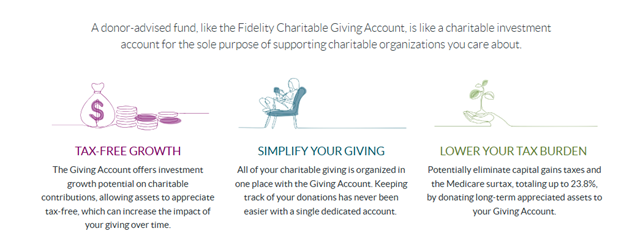
Tax Efficiency – Contributions to the fund may be tax deductible in the current year for those who itemize deductions on Schedule A. Furthermore, if contributing long term highly appreciated stock, then the capital gains are eliminated instead of taxable if sold in a brokerage account.
Flexibility – While some donors choose to grant the proceeds in the DAF out to charities immediately, others chose to wait for a future year(s), allowing for tax-free growth.
Simplify – A centralized platform allows quick reference for giving history and makes it easy to track down tax documents for deduction purposes.
Qualified Charitable Distributions (QCD) – allows individuals over the age of 70.5 to send up to $105K (limits for the 2024 calendar year) directly to a qualified charity (or charities) through their IRA. These distributions are not included in taxable income and can be beneficial for those taking Required Minimum Distributions (RMD) and/or claiming the standard deduction.
Estate Planning and Charitable Giving
There are a few strategic ways to leave money to charity as part of an estate plan. One potential option is listing a charity or Donor Advised Fund as a beneficiary to a retirement account. Prior to the SECURE act that passed in 2019, IRAs and other qualified retirement plan beneficiaries that inherited an account could take their mandatory Required Minimum Distributions (RMD) throughout the rest of their life – known as a Stretch (inherited) IRA. Beginning in 2020, the new law states that most non spouse beneficiaries that inherit a retirement account must deplete the account within 10-years. With distributions taxable at your income bracket and consolidated into only 10-years, many individual beneficiaries are pushed into higher tax brackets than before the SECURE act, which may greatly deteriorate the inherited assets. For those who are philanthropic that would like to give money to charity at their death, may consider listing a charity or Donor Advised Fund as a beneficiary to a retirement account rather than in a trust or other nonretirement account. Charities pay no income tax so 100% of the IRA value is retained by charity. Individuals that have nonretirement assets like a living trust, may consider listing human beneficiaries rather than charities given the potential step up in cost basis at death. The beneficiaries would benefit from a tax perspective receiving these assets instead of an IRA.
Those who wish to set aside larger sums of money for charities, may consider using a charitable trust as a planning tool. While this requires some upfront costs and an attorney, a charitable trust can provide a current year tax deduction, fulfil charitable intentions and remove assets from a taxable estate. Two of the more common charitable trusts are Charitable Remainder Trust (CRT) and Charitable Lead Trust (CLT). While both these types of trusts benefit charities in some form, we see CRTs as a popular option when interest rates are higher as it can generate a higher current deduction than CLTs. A Charitable trust strategy pairs well in a high-income year, such as a sale of a business or home. We also see opportunities in CRTs for those with concentrated securities that have a large taxable estate but would like to retain an income stream during their lifetime. Unless the Tax Cuts and Jobs Act (TCJA) receives an extension under the new administration, we may see an uptick in CRTs with a lower estate exemption amount starting in 2026.
Giving Together
While a lot of the strategies around giving focuses on individuals, we have seen an emergence of family giving. This allows families to support organizations that they believe in together while also exposing the next generation to philanthropy. Some families choose to allocate a dollar amount to each family member and a DAF can help streamline the process. Programs like Fidelity’s Gift4Giving, makes it easy for others to participate giving from your DAF even from afar. Family philanthropy is a great way to keep the family connected and involved in the community.
In Summary –
Thanksgiving brings to light the importance of giving in a number of areas. While giving is a year-round activity, Giving Tuesday on December 3rd 2024 gives donors an opportunity to support charities and satisfy their gifting before the end of the year.
Our team of advisors are here to explore which giving strategy may be most appropriate for your philanthropic goals.
Wishing you and yours a Happy Thanksgiving!
** The information provided should not be interpreted as a recommendation, no aspects of your individual financial situation were considered. Always consult a financial professional before implementing any strategies derived from the information above.
The much anticipated “Great Wealth Transfer” is looming on the horizon. Over the next few decades, an estimated $30 to $68 trillion will be passed down from baby boomers to their Gen X and millennial children (source: Forbes). Additionally, the current federal estate tax exemption is $12.92 million per person, or just shy of $26 million per couple. However, this high exemption is set to sunset at the end of 2025, reverting to an estimated $7 million per person, or $14 million per couple, depending on inflation (source: Fidelity).
As the Great Wealth Transfer and the estate exemption change approach, now is the time to prepare. The best first step is to review your financial plan with your trusted advisors to ensure you have a nest egg to last your lifetime. It’s equally important to review your will, trusts, power of attorney designations, and beneficiary selections and initiate conversations with your successor trustee(s)/executors.
Planning early and having ongoing conversations with your financial professionals and successors can help ensure your assets and personal values are transferred smoothly. Here are some key conversation topics and steps to take when starting dialogues about money, estate planning, and your legacy.
Where to Begin?
Many individuals put off important money conversations with their successors because they aren’t sure where to start. Begin with the big picture—the Who, the Where, the What, and the How. This provides a good starting point to educate your successor trustee and/or your executor without divulging specific financial details or monetary values.
The Who?
- Who Are Your Key Professionals: Share information about your team of professionals, such as your financial advisor, attorney, and accountant. Provide their contact information and explain how to access important documents if needed. This simple list can help your executor know who to reach out to for guidance and support. Our Weatherly Client Information Release Authorization Letter (CIRAL) can act as a template for this exercise.
- Who Are Your Designated Beneficiaries: Review who the designated beneficiaries are on your accounts, insurance policies, and retirement plans. This information is crucial for the smooth transfer of assets after your passing. Make it a point to have an annual check-in with your key professionals, as we know beneficiaries and wishes can change along with updates to tax and estate law.
- Who are your Executors/Successor Trustees: This role is crucial to the overall administration of your estate and may impact family dynamics. Explore options such as responsible individuals, family or friends, private fiduciaries, or corporate trustees to manage estate distributions down the road. Evaluate the pros and cons of a professional trustee to relieve family members or friends of distribution duties. Once this decision is made, make an effort to have a conversation with your chosen successor.
The Where?
- Where Are Your Assets Custodied: Identify where your assets are currently held or custodied. If you have a safety deposit box, note its location and provide details about accessing it when necessary
The What?
- What Are Your Assets and How Are They Titled: Without revealing specific market values, give an overview of your assets, including both liquid and non-liquid assets. Explain the nature of each asset and how they are titled (jointly owned, held in a trust, individually owned, retirement vs nonretirement assets, etc.).
And the How?
- How to Have the Money Conversation: Lean into your team of professionals to help navigate the conversation. Weatherly often facilitates the initial conversation to introduce successors to big-picture concepts about your estate without divulging market values. We also act as a resource for ongoing money conversations as your needs and situation evolve.
Express Your Wishes, Family Values, and Charitable Intentions
Depending on your unique situation and desire to incorporate your next generation or heirs, some families hold meetings to discuss values around wealth and philanthropy and set shared goals for social impact and creating a legacy.
We often see charitably inclined individuals utilize Donor Advised Funds (DAF) to hone in on charitable values and build a legacy via grants to causes they care about. This process can be as formal as a meeting with all individuals to discuss charities they care about or as informal as giving each person a certain dollar amount to grant to a charity of their choosing year over year. The key is to find what works for you and make it your own.
Gifting to the Next Generation: Empowering the Future with Smart Choices
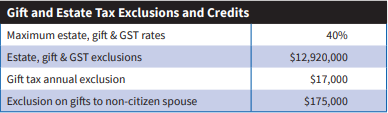
Another effective way to empower your successors with financial responsibility is through annual gifting. As of 2023, the annual gift exclusion amount is $17,000 per person- meaning you can gift up to $17,000 to each individual without incurring gift tax.
Weatherly is happy to review your own personal financial plan to help determine what gifting amount may be appropriate and subsequently help set up investment accounts for your heirs. By involving a financial advisor, the next generation gains access to valuable resources and professional guidance to make informed financial decisions.
For 5 additional Estate Planning Strategies to Consider, please read our past blog post on the subject.
How WAM Can help?
Starting these in-depth conversations now can help ensure you and your successors are unified in handling the complex transition of resources and responsibilities successfully. The Weatherly team is here to help start the conversation without overwhelming your successors with intricate financial information. We can further assist you by creating an open and supportive forum to discuss your estate, financial planning and focus conversations on how you can thoughtfully prepare for the future while making a positive impact together.
As always, we welcome your questions, calls and the opportunity to schedule a conversation with you and your next generation or beneficiaries.
** The information provided should not be interpreted as a recommendation, no aspects of your individual financial situation were considered. Always consult a financial professional before implementing any strategies derived from the information above.
It’s that time of the year again when we celebrate Thanksgiving and start preparing for year end! For many of our clients it is an opportunity to give thanks and give back to their communities in the form of charitable donations. The charitable landscape has grown significantly during the last couple of decades and progressed even further in recent years in the midst of a global pandemic, Russia/Ukraine war, and global inflation. In 2021 alone, charitable giving by Americans totaled $484.85 billion, up approximately 4% from the prior year. Donations are most impactful when there is a specific need, and we have seen our fair share of new challenges in recent years.
While the most common way to give is in the form of cash or check, it isn’t always the most tax efficient method to give to charity. In this blog post, we outline tax efficient strategies to help maximize charitable giving in hopes to have a positive influence on the world.
Donor Advised Fund (DAF)
A Donor Advised Fund (DAF) allows donors to contribute appreciated assets to a charitable account and capture a current year tax deduction*. The funds can then be invested tax free until they are granted out over time to qualified 501c3 public charities.
The ins and outs of the DAF is best summarized by the three Gs- Give, Grow and Grant.
Give→
For a current year tax deduction*, donors can make an irrevocable contribution of cash, publicly held and some privately held assets prior to December 31. While the DAF does allow for cash donations, contributing a long term, appreciated asset may allow the donor to deduct the Fair Market Value (FMV) of the asset and effectively eliminate the associated capital gain tax implications had the donor sold the asset and donated cash. Donating appreciated securities typically results in a larger deduction and more money for the end charity, as the following example illustrates:
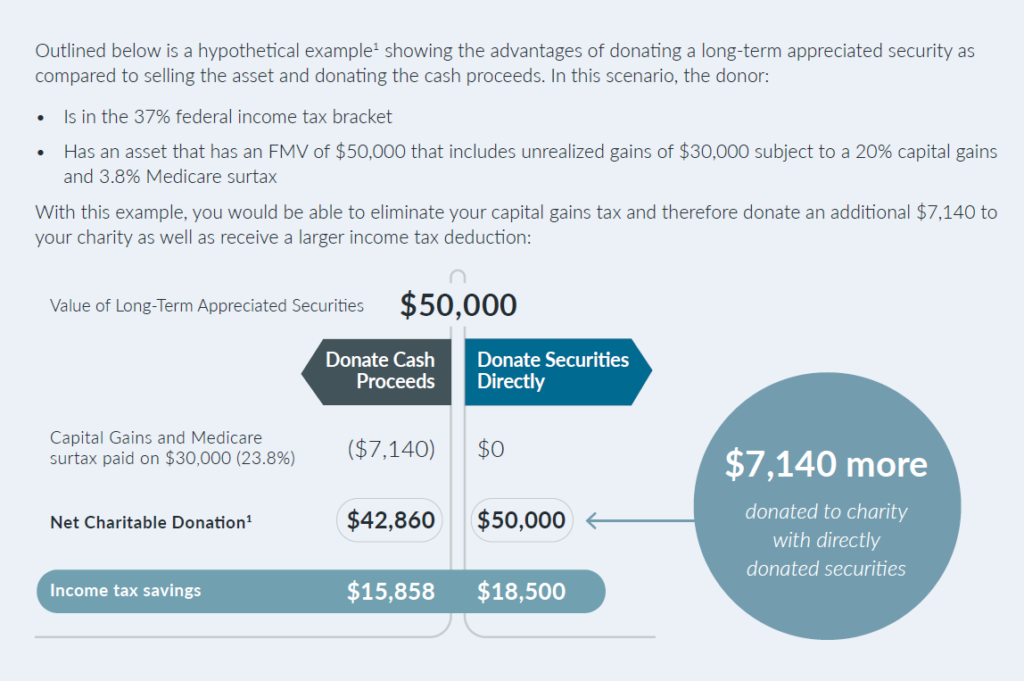
Chart Sourced from Fidelity Charitable
Tax Benefits:
Donors who itemize their deductions can have their turkey and “gravy”, too, as they may be eligible for a tax deduction* in the year an appreciated asset contribution is made to a DAF, with some Adjusted Gross Income (AGI) limitations:
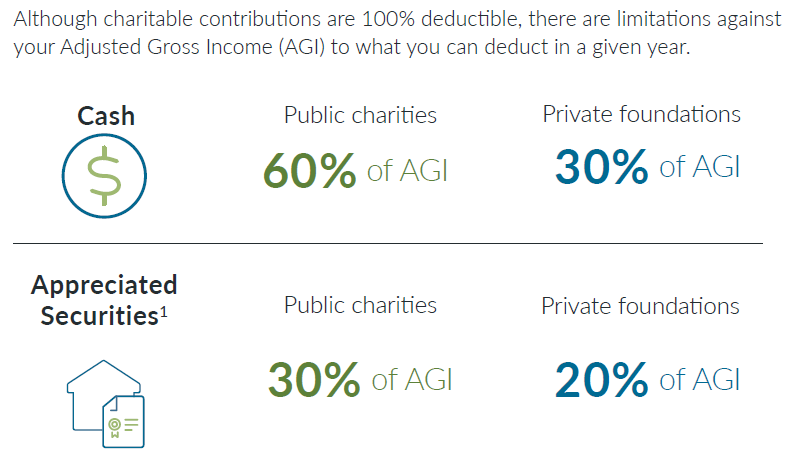
Chart Sourced from Fidelity Charitable
Although the AGI figures above may limit your current year deduction, any unused amount that exceeds the limits can be carried forward and deducted within the next 5 years. For this reason, charitable giving and year end tax planning should have a seat at the same table to ensure charitable intent and tax benefits are aligned.
Grow →
Once the assets are transferred into the DAF, most large custodians allow the funds to be invested for potential tax-free growth.
Grant →
Since tax deductions are captured on the front end, when assets were initially contributed to the account, it allows the donors to take their time in granting out to 501c3 public charities. This may come in subsequent years or whenever the donor is ready.
DAF Strategies to consider –
• Contribute long term, highly appreciated securities and/or to limit concentration risk in a portfolio: The Weatherly team can assist in opening a DAF and subsequent asset selection to fund the account.
• Consider a Bunching strategy in high income tax years: If income is higher in a particular tax year, multiple year’s worth of contributions can be “bunched” into the high-income tax year for a larger deduction. Donors can then take their time granting out the funds in future years.
Qualified Charitable Distribution (QCD)
A Qualified Charitable Distribution (QCD) allows an individual age 70.5 or older to donate up to $100K per year from IRAs directly to one or more charities. These distributions are not included in taxable income and can be beneficial for those taking Required Minimum Distributions (RMD) at age 72 and/or claiming the standard deduction.
QCD client example:
A now retired married couple, Mr. And Mrs. Awesome, worked hard and saved some money in the Awesome Family Trust, but much of their savings were through salary deferrals to their employer’s 401k plans. Since retiring, they have rolled their 401ks into IRA accounts. For the current tax year, Mrs. Awesome, age 75, has an IRA RMD of $50k. Mr. Awesome is not RMD age, 72, yet. The Awesome’s paid off their home mortgage and therefore, anticipate they will take the standard deduction for this tax year. They have minimal expenses and can live off their Social Security Income and pension income, totaling around $250k a year.
As they adjust to retirement, a big goal is to continue their annual charitable donations of $50k. The Awesome’s advisor recommends they complete a QCD direct from Mrs. Awesome’s IRA to the various charities they are passionate about. Since they do not need the RMD income, Mrs. Awesome selects 5 different charities to give $10k in QCDs to, and therefore, satisfying her RMD requirement for the year. They can meet their philanthropic goals without itemizing their deductions and get to exclude $50k from their taxable income.
The next tax year, Mrs. Awesome’s IRA RMD is approximately $60k. After a few dialogues, the Awesome’s decide that they would like to be consist with their $50k annual gifting goal. Their advisor helps them complete the same 5 QCDs of $10k each. The remaining $10k RMD is sent to the Awesome’s Family Trust and is included in their taxable income for the year.
QCD Strategies to consider:
• Using QCDs to satisfy a portion or entire RMD for the year can limit taxable income and keep you in a lower overall tax bracket.
• The chart below highlights a typical client profile for a QCD strategy versus giving appreciated securities to a DAF:
Appreciated Stock Donation to DAF vs QCD Strategy
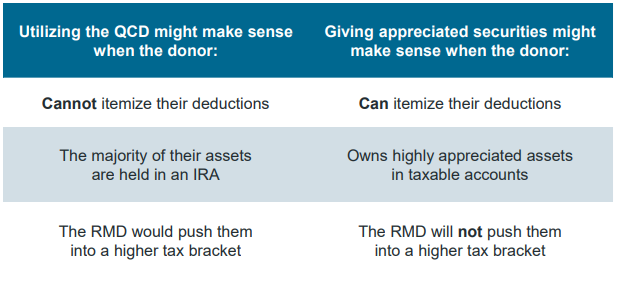
Chart Sourced from Fidelity Charitable
Charitable Trusts and Estate Planning
For Ultra High Net Worth and philanthropic individuals, more complex strategies can be considered as part of an estate and legacy plan. Depending on the donor’s philanthropic and estate planning goals, Charitable Lead Trusts (CLTs) and Charitable Remainder Trusts (CRTs) can create income streams for an individual or a charity for a certain period with the remaining balance going to a charity or other heirs. These types of trusts pair philanthropy with other financial goals and can even help reduce estate taxes. The Weatherly team is here to coordinate with your estate attorney to ensure these trusts are set up correctly and with your tax professional to determine initial funding and tax deductions.
Another item that combines charitable giving with estate and legacy planning would be to list a DAF as a beneficiary in your trust or retirement account. This allows for ultimate flexibility as a DAF successor can be updated at any time without involving an estate attorney. Donors can list either individual(s) or public charity(ies) as successors on the account. If an individual is listed as successor, then the successor takes over the DAF at the original accountholder’s passing and can donate to charities as they wish. This could be used to start the family conversation surrounding wealth and/or help carry out the family legacy. If a charity is listed as a successor, the DAF balance will go directly to the charity of your choosing. This can help reduce estate taxes and fulfill charitable goals while maintaining assets during a donor’s lifetime. Consult with your attorney, tax professional and Weatherly before implementing this strategy.
Strategies to consider:
• Incorporating family members in charitable giving and planning.
• Charitable giving at passing can reduce estate tax liability
How Can WAM help?
Your Weatherly team is here to assist in your charitable endeavors while considering your overall tax situations. We can determine the best strategy to facilitate your giving, research charitable organizations and coordinate with your attorney and tax professional as appropriate. We also request tax returns to review prior year giving and to identify strategies going forward. As always, please don’t hesitate to reach out with any questions or to schedule a yearend planning call. In the meantime, we would like to give THANKS to all our clients for our partnership over the years.
*In order to receive a tax deduction for charitable giving, one must itemize deductions on with Schedule A.
Additional Resources:
Top San Diego Charities
Top National Charities
2022 Fidelity Giving Report
2022 Key Financial Data Sheet
** The information provided should not be interpreted as a recommendation, no aspects of your individual financial situation were considered. Always consult a financial professional before implementing any strategies derived from the information above.
Benjamin Franklin once said, “In this world, nothing is certain except death and taxes.”
Given the recent shift in presidential power, there has been a renewed focus around potential tax and estate law changes under the Biden Administration. Specific to estates, there is a proposal for the estate exclusion amount to drop from the current record high of $11.7M/person to as low as $5M or $3.5M/person and the amount over these thresholds to be taxed at 45% versus the current 40% rate. In preparation for these potential changes on the horizon, the best first step is to complete a financial evaluation with Weatherly to approximate future net worth and gifting capabilities within a record-low interest rate environment. If you have a good nest egg to support your needs, there are a few estate planning tactics to consider. In this blog post we outline “The What” and “The How” of some gifting and estate planning strategies to proactively discuss with your team of professionals.
1) Annual Gifting, 529s and Forward Gifting
The What – Annual gifting to the next generation or other family members may be a tax savvy way to pass assets to the next generation while also lowering your overall estate value. For 2021 tax year, the gift tax annual exclusion amount is $15,000 per person. The IRS will not require a gift tax return to be filed and the gift will not count against the estate exclusion amount, which is currently set at $11.7M/person. Please reference our 2021 Key Financial Data Chart for further details.
The How – A parent or grandparent who is above the estate exclusion amount and wants to help the next generation save for education, may want to consider a forward gift via a 529 account. As it currently stands, in a given year the IRS will allow an individual to make a forward lump-sum gift equal to five times the annual gift exclusion, or $75,000/person ($150,000/married couple), to a 529 account. If no other gifts are made to the 529 account beneficiary over the next 5 years and you make the 5-year election, it will not count against your estate exclusion amount. Once the funds are in the 529 account, they can be invested, grow tax free and are not taxable at withdrawal if they are used for eligible education expenses.
Please reference the following link for additional information and examples on forward gifting to 529 accounts: https://www.ameriprise.com/financial-goals-priorities/family-estate/estate-planning-and-529-plans
2) Intra Family Loans
The What – Intra-Family loans are agreements between family members to access capital with benefits that may not be available in an institutional relationship. If structured properly, the loan can be advantageous to both parties – the lender can transfer wealth without making an outright gift and the borrower can make smaller interest payments, skip tedious applications, and obtain flexible repayment structures. Loan interest rates must be set at or above the AFR (applicable federal rate) via the IRS website, which is updated monthly.
The How – A parent or grandparent can enter an agreement with a future beneficiary of assets when they are buying a home or starting a business. A written contract is outlined between the parties, with potentially attractive terms for the beneficiary, for example: interest-only payments, lower than market interest rates, or loan forgiveness up to the annual gift exclusion. The lender transfers these dollars out of their estate without tampering with their estate exclusion. Please check with your Advisor to ensure that the signed promissory note meets the IRS requirements for an intra-family loan.
Please reference the following link for additional information and examples on intra-family loans that may help your loved ones: https://www.fidelity.com/viewpoints/wealth-management/insights/intra-family-loans
3) Family Limited Partnerships
The What – A family limited partnership (FLP) is an entity created by family members to run a commercial project, start a venture, or hold assets. A general partner (GP) owns the largest share of the business and is therefore controls the management of the FLP, similar to a trustee. There are also limited partners with some relation to the GP that own shares and have no management responsibilities. FLP interests can be gifted or sold to members of the family via share ownership so that any growth or revenue from the FLP is no longer included in the original depositor’s estate.
The How – A couple that has amassed a significant net worth can create an FLP and name themselves as general partners with their revocable (living) trust as the sole limited partner. Real estate or securities can be held in the FLP with limited partner shares gifted to beneficiaries on an annual basis at a value near the annual gift exclusion amount. Minority or marketability discounts may apply to limit share valuations. The couple maintains control as general partners, but limited partners will receive the benefit of future income and asset growth typically at a lower tax rate as the investments appreciate and return capital. The FLP can also set stipulations to protect against mismanagement.
Please reference the link below for additional information and insight to how and why a Family Limited Partnership may fit your family’s needs: https://www.thebalance.com/family-limited-partnerships-101-357872
4) Outright Gifts to Trusts
The What – A revocable (living) trust is a useful tool for those wishing to avoid probate, provide credit protection for heirs, outline distribution wishes, and maintain the ability to amend their trust. The owner of the revocable trust pays the taxes on assets held within the trust.
The How – While many clients have an active revocable trust, their next generation beneficiaries may not. Beneficiary heirs can establish their own revocable trusts and serve as grantor and trustee, and the trust can be for their benefit. The parents or grandparents can help cover estate attorney expenditures to establish the next gen trust and then fund the new trust with large gifts, most often times over the current annual gift exclusion. The benefits are to both parties. The recipient of the gift is involved in his or her own critical estate planning. The parents or grandparents remove the future appreciation of the asset from their estate and the amount gifted over the annual gift exclusion goes against their estate exclusion.
5) Irrevocable Trusts
The What- An irrevocable trust is a vehicle that can be used to remove assets from the grantor’s taxable estate. The grantor creates the trust and designates another individual or corporation as independent trustee. Once the trust is created, it typically cannot be revoked, amended, or terminated. These vehicles are usually appropriate when the grantor can relinquish control of the assets, does not need the assets during his or her lifetime and does not plan to change the beneficiary designation(s) of the trust.
The How- A high net worth couple with assets over the estate exclusion often have life insurance policies that may not be needed during their lifetimes, but rather needed by their beneficiaries for taxes, estate fees or inheritance at their passing. If structured properly, an Irrevocable Life Insurance Trust (ILIT) enables individuals to exclude a life insurance death benefit from their taxable estate at their passing. Essentially, the insured individual or grantor of the ILIT, transfers the life insurance policy ownership from the grantor to the ILIT. The beneficiary – whether it be a spouse or child – is the individual(s) listed in the ILIT document. The grantor can still pay the policy premiums via annual gift directly to the ILIT and a Crummey Letter stating a gift had been made would be provided to the beneficiary. Assuming the grantor makes no other gifts to the ILIT beneficiary for the year and the premium payment, or gift, is below the annual gift exclusion amount, it would not count against the grantor’s lifetime exclusion amount. If policy ownership is transferred from the grantor to the ILIT three years prior to the grantor’s passing or the ILIT purchases the policy from the grantor, the death benefit is typically excluded from the insured’s taxable estate. Had the policy not been transferred to an ILIT and the insured remained the owner of the policy, the entire death benefit would usually be included in the insured’s taxable estate.
Please reference the following link with additional information on revocable trusts and irrevocable (ILIT) trusts: https://www.wealthadvisorstrust.com/blog/definitive-guide-on-irrevocable-life-insurance-trusts
The When
While there are a number of strategies to plan for an estate, administering an estate also requires a detailed structure to ensure that legacies are fulfilled and needs are addressed. The role of a successor trustee can be complex and taxing, but Weatherly Advisors can serve as a quarterback for optimal collaboration with your team of professionals. Our updated Estate Settlement Checklist catalogues key steps during the nine months of estate administration.
How WAM Can Help
Record-low interest rates, historically high exemption amounts, and unpredictable future tax policy make it more important now than ever to align Estate Planning objectives with desired outcomes. Through collaboration with your trusted professionals and next generation beneficiaries, Weatherly Advisors leverage financial and investment planning techniques to create a Ripple Effect across your interconnected family and community. Please reach out to a Weatherly Advisor for any assistance we can offer your family.
** The information provided should not be interpreted as a recommendation, no aspects of your individual financial situation were considered. Always consult a financial professional before implementing any strategies derived from the information above.
***Content Updated_Friday, April 23, 2021
The signing of the Coronavirus Aid, Relief, and Economic Security (CARES) Act on March 27,2020, not only provided aid to many Americans and small businesses affected by the Coronavirus pandemic, but also made significant changes to the charitable giving rules to encourage individuals and corporations to donate during these unprecedented times. The Weatherly team has outlined the key provisions that may impact your 2020 giving and ways to support during the COVID-19 pandemic.
Some of the most notable changes to giving due to the CARES act include:
- Above- the-line Charitable Deduction
- Taxpayers who claim the standard deduction in 2020 can deduct up to $300 above- the-line, or against their gross income, for cash contributions to charity.
- AGI Limitation for Cash Donations
- Historically, individuals could deduct up to 60% of adjusted gross income (AGI) for cash contributions to eligible charities. Under the CARES Act, taxpayers can deduct up to 100% of their AGI for the 2020 tax year.
- Corporations can now deduct up to 25% of AGI this year, up from 10% in prior years.
- Any donations above the new 2020 limitations can be carried over for up to five years.
- To take this deduction, taxpayers must:
- Itemize their deductions
- Donate in cash direct to a public charity.
- The new increased limits do not apply to cash contributions to supporting organizations or Donor Advised Funds (DAFs). The old limit of 60% AGI will remain for such cash contributions.
- The new limits do not apply to contributions of publicly traded appreciated securities. The 30% of AGI limitation will remain the same for 2020 stock donations.
- Qualified Charitable Distributions (QCDs) – and Required Minimum Distributions (RMDs)
- In prior years, clients over age 70.5 who were taking RMDs from their IRA accounts may have completed a Qualified Charitable Deduction (QCD). Tax law allows donors to give up to $100,000 of their RMD direct to a qualifying charity of their choosing. The amount sent to charity counted towards the donor’s RMD for the year but is excluded from taxable income. Additional information about QCDs in our charitable blog post.
- As highlighted in our CARES Act Write Up, one of the most significant changes under the Act is the waiving of Required Minimum Distributions (RMDs) from certain eligible retirement accounts in 2020.
- Like prior years, a 2020 QCD direct to charity will not show up as taxable income to the individual. However, the distribution will not offset any RMDs as they are not required in 2020 tax year.
- Given these changes, it may be more beneficial to utilize a different charitable strategy for 2020 tax year. Weatherly is here to help explore the most impactful philanthropic giving approach for you this year.
The Role Philanthropy Can Play
Philanthropy and private sector support can play a key role in getting emergency funding and resources to those in need during times of crisis. Since the beginning of the global pandemic through 4/28/2020, more than $8.7 billion has been donated to the COVID-19 outbreak and various relief efforts according to the Center for Disaster Philanthropy (CDP) and its partner, Candid. To encourage further philanthropic activity, the GivingTuesday nonprofit organization has arranged a GivingTuesdayNow emergency event on 5/5/2020. This event is meant to unify, raise awareness, and support each other, our communities and global nonprofits during these unprecedented times.
Ways to Support COVID-19
During this global pandemic, philanthropic support can make the greatest difference in a several different areas, including, but not limited to: hunger; food and shelter, basic health services for vulnerable populations; Personal Protective Equipment (PPE) and medical needs for healthcare workers; Research and Development initiatives for vaccines, treatments, diagnostics, and antibody testing; ventilators; social service organizations; community foundations; and sustaining current nonprofits with funding gaps that may exist in these tough times. We have complied a list of ideas and resources on how to support in these areas via monetary or nonmonetary means during GivingTuesdayNow and beyond:
- The GivingTueday nonprofit organization has six ways to show generosity during these difficult times, including: Give/Donate, Thank those on the front lines, Volunteer virtually, Support your local community and small businesses, Show Kindness to your neighbors and friends, and Respond. These are all relevant to GivingTuesdayNow and throughout the pandemic.
- If you would like to give via monetary means, we recommend looking to organizations in your community that you may already support. Many nonprofits are struggling to stay afloat as they are not holding events or galas that typically provide much of the funding needed to carry out their philanthropic missions.
- For any new organization you would like to give to, it is important to do your research prior to donating. Giving Compass and the National Center for Family Philanthropy have created a list of funds across the United States providing immediate and long-term relief to COVID-19.
- Fidelity Charitable had “A Conversion with the CDC Foundation” webinar with various ways to help with COVID-19 at the Local, National, and Global needs.
- As many of us are social distancing and sheltering in place, virtual volunteer opportunities to aid those impacted by COVID-19 can be found here.
How Weatherly Can Help
Given the charitable giving changes under the CARES Act, the Weatherly team is here to collaborate with your CPA and team of professionals on a 2020 giving strategy that fits with your financial plan and philanthropic goals. We are also here to help facilitate any grants from or contributions to your Donor Advised Fund (DAF)2 for GivingTuesdayNow or future 2020 giving. As always, our team welcomes a dialog on how we can accomplish your charitable giving goals and positively impact our community and world.
Resources:
- https://disasterphilanthropy.org/disaster/2019-ncov-coronavirus/
- Link to Charitable Blog: https://www.weatherlyassetmgt.com/blog/39tis-the-season-of-charitable-giving-and-tax-planning/
- https://www.wealthmanagement.com/philanthropy/cares-act-sweetens-pot-charitable-giving
- https://3b4nu03zhqkr21euttbrqaxm-wpengine.netdna-ssl.com/wp-content/uploads/2020/04/20200409_CARES_RESOURCE.pdf
- https://now.givingtuesday.org/about/
- https://www.fidelitycharitable.org/guidance/disaster-relief/how-to-help-novel-coronavirus.html
** The information provided should not be interpreted as a recommendation, no aspects of your individual financial situation were considered. Always consult a financial professional before implementing any strategies derived from the information above.
Modern medicine and healthier lifestyles have extended the life expectancy curve over the past 50 years, with the current life expectancy rates in the US just shy of 80 years old. Life expectancy has increased about 3 months per year for some time, with women outliving men and at the upper end of the curve. The 1950s planning model suggested individuals retire at or around age 65, with about 10 years in retirement until their plan ended at age 75. Now, we plan to age 95 for our clients, stretching retirement about 30 years.
Thirty years in retirement can feel like a long time! We often see clients asking themselves “what do I want to explore?” and “what do I have to offer?” during this phase of life. Advisors and Financial institutions like Fidelity strategize about how to plan for a long and impactful retirement.
We start with the financial plan. Like we’ve talked about many times before, a solid financial plan allows us to forecast spending and income in future years, accounting for market volatility and unplanned expenses. We look 5 to 10 years to the future, and if retirement is on the horizon we make a plan to transition our clients from their “working” years, which may have been a 9-to-5 career, to focus on goals and interests that create impact.
This transition looks different for everyone. A recent MarketWatch article highlighted the psychological effects that come with retirement – when your job is a large part of your identity, there might be anxiety about next steps. We have some options for those that aren’t quite ready to plan for transitions from full-time work.
Consulting – Many of our clients achieve a great amount of fulfillment with their current careers and prefer to transition out of retirement at a slower pace. Many times, this results in a consulting opportunity, shifting from W-2 wages to 1099 income. Individuals are contracted as sole proprietors and often have more flexibility in the hours, projects and people with which they work. They may lose the benefits they received as a full-time employee, like medical benefits and 401k contributions. Advisors like Weatherly can add value by suggesting alternative retirement strategies such as Self-Employed 401ks to bridge the gap and squirrel away more money into tax-deferred vehicles when starting to live off of investment assets, Social Security, rental income or Required Minimum Distributions.
Volunteer Work – There are a multitude of causes to volunteer time and expertise in retirement years. Sometimes this can lead to part-time paid work with a charitable entity or development of a curriculum that is used in after-school programs. If you develop a program or curriculum for an organization that may be used by others, it’s important to look at the appropriate patents or licensing – like a Creative Commons license.
Mentorship or Boards – Not all folks have the benefit of positive mentors to help them make critical life decisions; advice on college, first apartment, first car and job changes are paramount to young individuals. A recent NY Times article highlighted generational benefits in learning life balance. There are organizations that combine the positive impact of both volunteerism and mentorship – for example, Just in Time helps foster youth transition out of care and into the “real world.” The relationships work both ways – sometimes with millennials mentoring an older generation as witnessed here.
Board memberships are also a great way to offer expertise in an impactful way. Corporate boards may offer a pay incentive, while non-profit boards are typically on a volunteer basis. Corporate board guidelines are also undergoing change, requiring more diversity and providing expanded opportunities.
Education – Just because you are retired, doesn’t mean you stop learning. Time off of work can allow you to hone in on new skill sets or subject matters that have always been of interest to you. We continue to educate ourselves at Weatherly, and encourage clients to do the same. There are several ways to audit classes, even including those taught at Ivy League Universities. This article provides links to 107 free classes available to anyone. We have seen many clients return to part-time or full-time schooling, offering a new expertise to create impact in different areas.
Art – Retirement often brings out the creative side in people and sometimes that can turn from a hobby into a business. We see a variety of skills with our client base, from sculptors, to jewelry making, to photography and pottery, our artist clients run the gamut. Many create holiday gifts for family and friends, and others sell their art for profit. We can suggest the appropriate bookkeeping and accounts to segregate expenses and income for clear tracking. Using a separate accounts for business expenses, and software like Quickbooks allow artists to focus on their craft instead of financials.
We are personally fulfilled when we see our clients succeed – whether that is in their current career, through a smooth transition or the impact they make on their families and communities. As recently as this week, we had a conversation with a client who reminded us that “the only constant in life is change!”
** The information provided should not be interpreted as a recommendation, no aspects of your individual financial situation were considered. Always consult a financial professional before implementing any strategies derived from the information above.
Smooth Transitions and Aging with Safeguards
Weatherly is committed to working with clients on a multi-generational basis and we continually review industry and demographic trends that impact our clients. In recent years, both the US Department of Labor (DOL) and the Financial Industry Regulation Authority (FINRA) have pushed forward with new regulations intended to promote financial education, transparency, and protect all generations of investors from financial abuse. Specific focus has been dedicated to the fiduciary standard. and retired investors who have diligently saved over their lives to achieve financial security. The who, what, where, and why of your and your family’s financial lives have never been more important – engagement with key professionals, prudent investment of your assets, and protection of personal data are top priorities.
Statistics – Recent data from the U.S. Census Bureau suggests that:
- The Baby Boomer generation will include 78 million individuals over the age of 65 compared to 76.4 million people under age 18 (Generation Z) by 2030.
This will mark the first time in U.S. history that older adults outnumber teens and youth.1 - 71% of Baby Boomers still have one living parent due to increased life expectancies.2
- These statistics illustrate the need for clients to be aware of vital areas of best practices for all generations of your family. Whether you are evaluating your own individual situation or working with an aging parent or friend we recommend focusing on the infrastructure and safe guards in place outlined in this blog to maintain and promote financial security over time.
How is Weatherly designing the infrastructure for our clients?
Collaboration with Your Advisory Team: We work with key professionals to generate the most impactful analysis and recommendations for our clients. This team includes Weatherly, CPA, estate planning attorneys and may be expanded to a trusted family member, business manager, bill pay service professional, real estate agent etc. Teamwork is implemented with conference calls or meetings as appropriate for the unique needs of each client. Please reference our 4Ws Score Card to evaluate best practices in critical areas including estate planning, healthcare, financial, and data security.
Client Information Release Authorization Letter (CIRAL): We created CIRAL to document each client’s emergency contacts and key professionals. In the occurrence of an unexpected life event, this document allows Weatherly to assist and support your designated representatives and family.
*If you have not completed CIRAL for your family please do so via the CIRAL document link above.
Internal Procedures and Systems: To create infrastructure, safeguards, and oversight we have implemented the following policies and procedures:
- We maintain oversight for any unusual activity and client cash flow requests are confirmed verbally.
- Communication involving client sensitive information adheres to our strict Privacy, Email, Cybersecurity, utilization of a secure portal, Wireless Internet Service Provider, and File Sharing Policies.
- We provide ongoing training for our team members covering red flags, swift and appropriate responses if a concern arises, and the best tools available to support clients through transitions.
Investment Assets – A good health check
Investment accounts should reflect the appropriate risk and return strategy to fulfill long term goals. Ask your financial professional the following questions:
- Where are your accounts held? Can they be consolidated?
- Is your investment professional a fiduciary? Do they communicate clearly and provide education?
- Is the overall asset allocation appropriate for long-term needs and risk tolerance?
- Is there any unnecessary single stock risk due to a concentrated investment position?
- Have you completed a long term financial plan? Is it reviewed at least annually?
- Is your investment professional overseeing cash flows and requiring confirmation for any unusual activity?
- What are the total fees? Are they transparent?
- Are you provided clear and easy to read reporting of assets and performance with comparison to appropriate benchmarks?
We encourage clients of all ages to have a dialogue with key individuals and ask questions to gain clarity. The greatest value is driven by dynamic and collaborative relationships with transparency and education to empower independence.
Cybersecurity and Data Protection
Our world is becoming more intertwined with technology; from implantable medical devices to smart homes and everything in between, we are enhancing our efficiency. However, with this evolution comes an elevated potential for cybersecurity threats and need to protect yourself. According to a 2018 Cybersecurity study:
- 33% of Americans fall victim to a cyber hack (i.e. phishing scheme, ransomware, etc.) annually.
- Every 39 seconds, there is a cyber hack.
- By 2020 the average cost of a cyber data breach is projected to be greater than $150 million3.
Even further, a 2016 study by Home Instead Senior Care found that of U.S. seniors who use the internet, approximately 66.67% have fallen victim or been a target of online financial schemes, making them the largest victim group to lose money online4.
It is vital that you educate yourself and your family members on the schemes that cyber predators are utilizing. Please reference our cybersecurity blog and the link below for more information on the most prevalent cyber scams used today and prevention methods:
https://www.protectseniorsonline.com/resources/hottest-cyber-scams/
Most importantly, the safeguards and infrastructure must develop over time as you or your family members situation inevitably changes. Regular check-ins and follow up are key to smooth transitions. Refer to our4Ws Score Card for a review. As we all grow and develop we hope our family, friends, and professionals remain engaged to create an environment of mutual success.
Resources:
- https://www.shrm.org/resourcesandtools/hr-topics/behavioral-competencies/global-and-cultural-effectiveness/pages/new-census-data-reveals-aging-population.aspx
- https://tullyelderlaw.com/baby-boomers-caring-aging-parents-children/
- https://www.cybintsolutions.com/cyber-security-facts-stats/
- https://cybersecurity.wa.gov/seniors-a-growing-target-for-hackers-44ccb66e47e4
** The information provided should not be interpreted as a recommendation, no aspects of your individual financial situation were considered. Always consult a financial professional before implementing any strategies derived from the information above.
The process of creating your estate plan can be a dynamic and challenging task involving detailed discussions with your estate planning attorney, financial advisor, and CPA. Every family is unique, with different assets, goals, and complexities that must be reflected in your planning instruments. We have described the documents that should be a part of your estate plan in our previous blog post and the driving forces behind these documents of tax and control.
Our clients often have to push themselves to consider a variety of outcomes and “what if” scenarios, starting with the now – what would occur if something happened to myself and/or my spouse tomorrow? Although emotionally challenging to think about, the process is necessary. Estate plans are living documents that can be adjusted as you, your family, and your assets grow and change over time.
Frame the Discussion
Your estate plan should include provisions for your assets both during your lifetime and after your passing. Strategic planning to address the tax, legal and financial aspects of your estate while living should ensure all pieces of the overall estate are working together most efficiently to minimize tax and risk, while maximizing growth and return. However, equally as important are the mechanisms put into place to ensure proper distribution of assets at your passing or incapacitation, considering your goals, values, and objectives.
The motivations vary significantly per family. The principles and ideals that are important to you should be a running thread throughout the estate plan, including:
- Ongoing family business – operations or ownership
- Charitable intent – specific organization/cause or core value of giving back to your community
- Financial security – of your spouse and family
- Support of education – kids and/or grandkids
The strategy and the individuals designated to carry out your legacy are fundamental ingredients to the success of your estate plan after your passing. We have created a checklist and timeline to illustrate the complex process of settling an estate and the imperative role of your executor or successor trustee. This checklist also illustrates the complexity and detail involved for your loved ones after your passing. Weatherly serves as a quarterback for our clients to collaborate with your estate planning attorney and CPA to delegate necessary tasks, and provide personalized support. Our goal is for your team to work as a well-oiled machine and guide you through the estate administration process with comfort and clarity.
Leverage Professionals
Your most vital tool is the team of advisors assembled to guide you and your heirs throughout this dynamic process. The selected professionals will provide competent, efficient, and creative strategies to develop the most appropriate solutions for you and your family. Weatherly provides personalized support and financial guidance to the executor/successor trustee and heirs every step of the estate administration process. Communication amongst your team is crucial to the creation and implementation of your plan, we believe collective expertise through collaboration provides the best result for you and your family.
** The information provided should not be interpreted as a recommendation, no aspects of your individual financial situation were considered. Always consult a financial professional before implementing any strategies derived from the information above.
As technology has advanced and improvements in diet, medicine and education have grown, one trend that is very apparent is that people are living longer. While this fact can almost certainly be viewed as a positive, increasing longevity may also create financial, lifestyle and family relationship strains as retirees must find the means and methods to satisfy an extended life expectancy.
To help combat these potential issues, we have addressed the 5 common pillars of dealing with the challenges of managing longevity.
Managing End of Career:
For many people, retirement is seen as the light at the end of the tunnel and something that they have been working towards for decades. However for some, when the time comes to hang up the working boots, they have trouble filling both the emotional connection and the time commitment that a 40 plus hour work week brings. While no one truly knows how they will respond to the lifestyle that retirement brings until that time comes, managing the end of your career can produce benefits in many ways by exploring options such as:
- Consulting or part-time work
- Allows you to contribute to a Self-Employed 401(k) and continue to save tax-deferred money
- Part-time teaching or taking part-time courses
- Volunteer opportunities
- Student mentoring
- Participation on local boards and committees
By reaching out to those in your network who are participating in these activities or approaching local universities and groups for existing opportunities, you can explore potential opportunities for yourself post-retirement should the desire or need arise.
Financial Assets and Efficiency:
As people enter retirement, they begin to withdraw their assets rather than add to them. When there is a steady, defined income flow from employment, it can be much easier to mentally compartmentalize what is being spent and often times the habit becomes to spend what you net. While this mindset can suffice if there is a fixed income, it can create a habit of living without a budget, making it difficult for retirees to develop an understanding of what they actually need for living expenses. This can result in assets can be inappropriately drawn down and potentially prematurely exhausted. To better manage your financial assets and cash flow, the steps below can be helpful:
- Establish a budget for a proper understanding of the expense level needed to support your desired lifestyle.
- Explore what sources are available to fund those expenses. Visit Weatherly’s Research tab above to view Mint.com, which can be an effective tool to consolidate all of your accounts and track budgets.
- Understand how you can leverage different types of accounts in combination with other income sources to produce a more tax efficient cash flow.
- Strategically withdraw needed funds to help make your money last longer.
- Pair higher income years with tax-free withdrawals, lower income years with tax-deferred withdrawals or a combination of the two to help create a more consistent and predictable level of taxable income. Click here for the 2016 tax brackets.
As retirement needs and income become more apparent, decisions relating to when to claim Social Security benefits, management of Required Minimum Distributions (RMDs) and potential use of debt can be managed in a tax efficient manner.
Quality of Life:
A successful retirement is not solely determined by finances but also greatly by the quality of the lifestyle. While it may seem that quality of life is largely dictated by what is financially practical, developing a proper expectation of your desired retirement lifestyle can be just as impactful. Common goals often include:
- Family time
- Travel
- Charitable giving
- Intra-family gifting
- Minimization of the noise and complexities of life
Weatherly can assist with developing a financial evaluation to help determine whether the quality of life that you strive for is consistent with the quality of life that is financially sustainable given your life expectancy, typically into the mid 90s.. Not only will this exercise bring you through the critical thought process of developing a retirement bucket-list, it can also help to the relieve the stresses that accompany uncertainty or unrealistic expectations.
Health and Healthcare Cost Management:
It’s not hard to see the positives of increasing longevity, with more time with loved ones, to live your dreams and goals and to enjoy the simplicities of life. However, the ability to pursue these things and live your desired quality of life is driven largely by how retirees manage both their health and the related expenses.
While the expected total lifetime cost of retirement healthcare expenses can vary greatly from study to study, commonly ranging from $260,000 to $464,000, the conclusion is the same; healthcare costs represent one of the largest expenses in retirement. The large potential outlay and uncertainty of the size of that outlay is only compounded by the fact that U.S. healthcare costs have been rising at a much faster rate than the annual inflation rate and by as much as 50% according to retirement healthcare planning firm HealthView Services. The big question is how to manage these costs using the most cost effective, tax efficient methods. Common solutions include one of or a combination of:
- Continuing to work longer
- Delaying the period which assets are withdrawn
- Health Savings Account (HSA)
- Click here to find out if you are eligible to for an HSA and which expenses are considered qualified medical expenses that HSAs can cover
- Insurance policies with a Long Term Care Benefit option or Accelerate Death Benefit (ADB) rider
Regardless of which option or options you pursue, it is important to account for these potential expenses and conduct annual checkups to help maintain your health. It is also important to relay your family’s longevity history to your advisors and professionals so that they can be aware of this information and factor corresponding needs and considerations into your financial picture.
Family Conversations:
The end of life stage is something that no one wants to think about as it’s difficult to contemplate your own mortality just as it is for your children and loved ones to do so. However, having the appropriate family conversations and taking certain necessary actions will not only help manage the end stage of life but also help to alleviate some of the stresses that your loved ones may experience after your passing.
For many families, finances is one of the few topics that is considered off limits. However, as you, and your children and loved ones age, the importance of financial discussions becomes greater. A recent study conducted by wealth transfer firm The Williams Group found that nearly 70% of families lost control or experienced strain in their relationships after a wealth transfer event; the most common source being a lack of communication. Without having to specifically mentioning the details of your finances, you can help reduce this lack of communication by:
- Relaying a broad overview of the types and locations of your assets
- Outlining where assets are held
- Communicating any potential charitable intentions
- Establishing a list of who to contact and where personal information is kept
- Introducing potential inheritors to your financial and legal professionals
These family conversations can be very helpful in the handling the procedure of wealth transfer, but communication is not the only necessity. As detailed in Weatherly’s previous blog post on estate planning, regardless of asset size and complexity, there are additional legal procedures and documentation that should be part of any estate plan.
Managing longevity is by no means done overnight, but by considering these 5 pillars, you can help to ease both your own experience and the experience of your loved ones. We encourage all to reach out to Weatherly and their other trusted professionals to see how they can potentially further manage their longevity.
Links for further reading:
http://www.jackolg.com/considerationsforservingagingclients.pdf
** The information provided should not be interpreted as a recommendation, no aspects of your individual financial situation were considered. Always consult a financial professional before implementing any strategies derived from the information above.